Wool Washing with Ultrasons
Ultrasonic waves (between 35 kHz and 80 kHz) generate cavitation micro-bubbles that melt lanolin and dislodge grease and impurities more rapidly.
The use of ultrasons in the Washing preserves fiber structure, enables a reduction of soap use, processing time.
An innovative ultrasonic process was developped in the Tessin region during the Wool-ti project now in use in the wool transformation process of Proverzasca. Solution developper and provider (Renzo Longhi) is commercialising several versions, including the most recent one - Lava 2026.
After visiting the Proverzasca unit in 2024, the Association Laine en tout Genre and Onl'fait have decided to collaborate in the realisation of a machine for the Geneva Region, with a logic to make it easy to reproduce at lab scale.
This page describes both how to build an ultrasonic wool washing machine at micro-scale, and how to best use the machines to qualitatively process wool, in order to optimise mutualised uses of such machine.
Input materials
How to
If you want to build an ultrasonic washing, first you have to find documentations that help you to understand how it is currently working and get close to people who have knowledge about the machines.
Once you have seen the machine working, try to think of how it was made and structure it in different blocks:
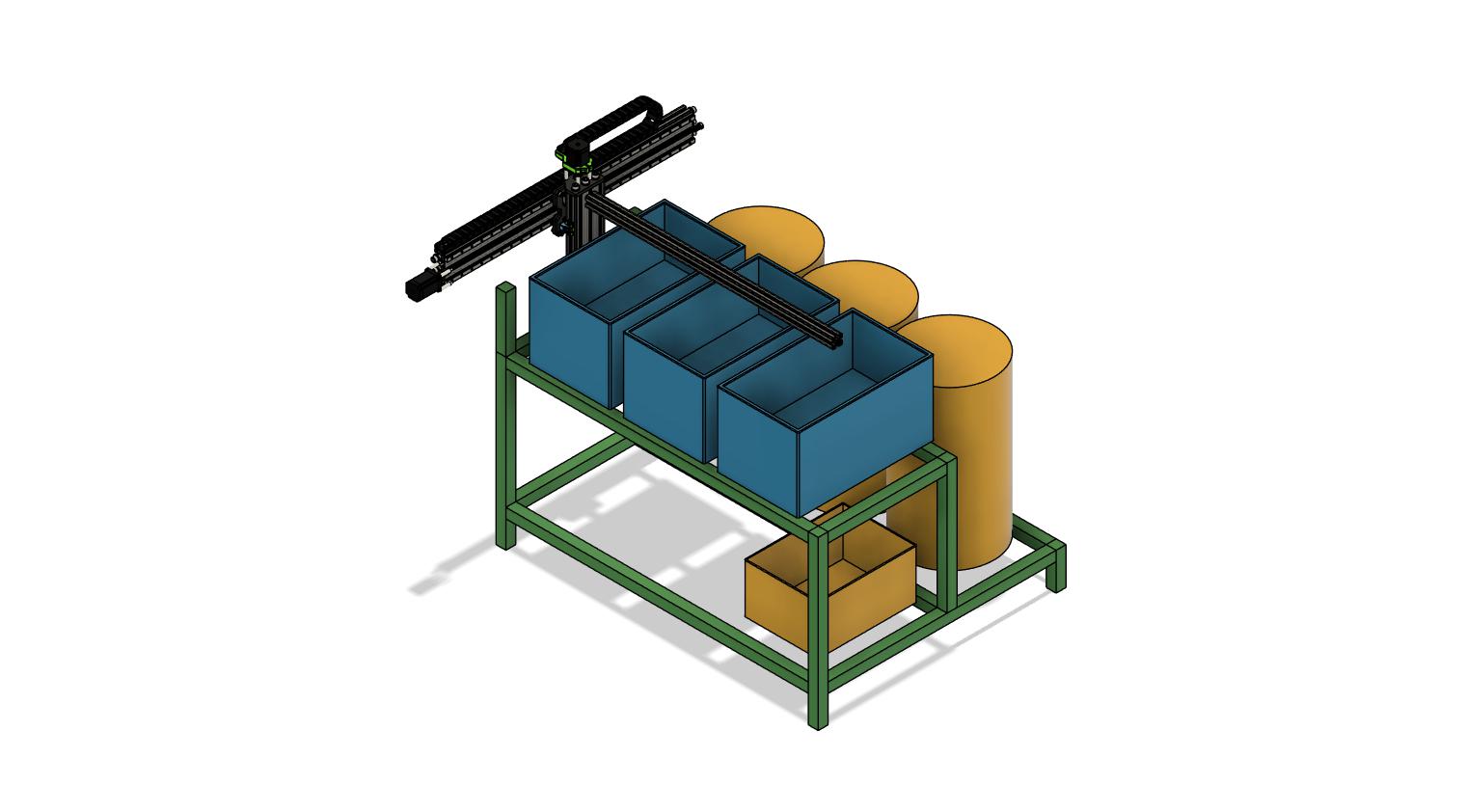
For the Wool Washing with Ultrasons, consider 4 differents units:
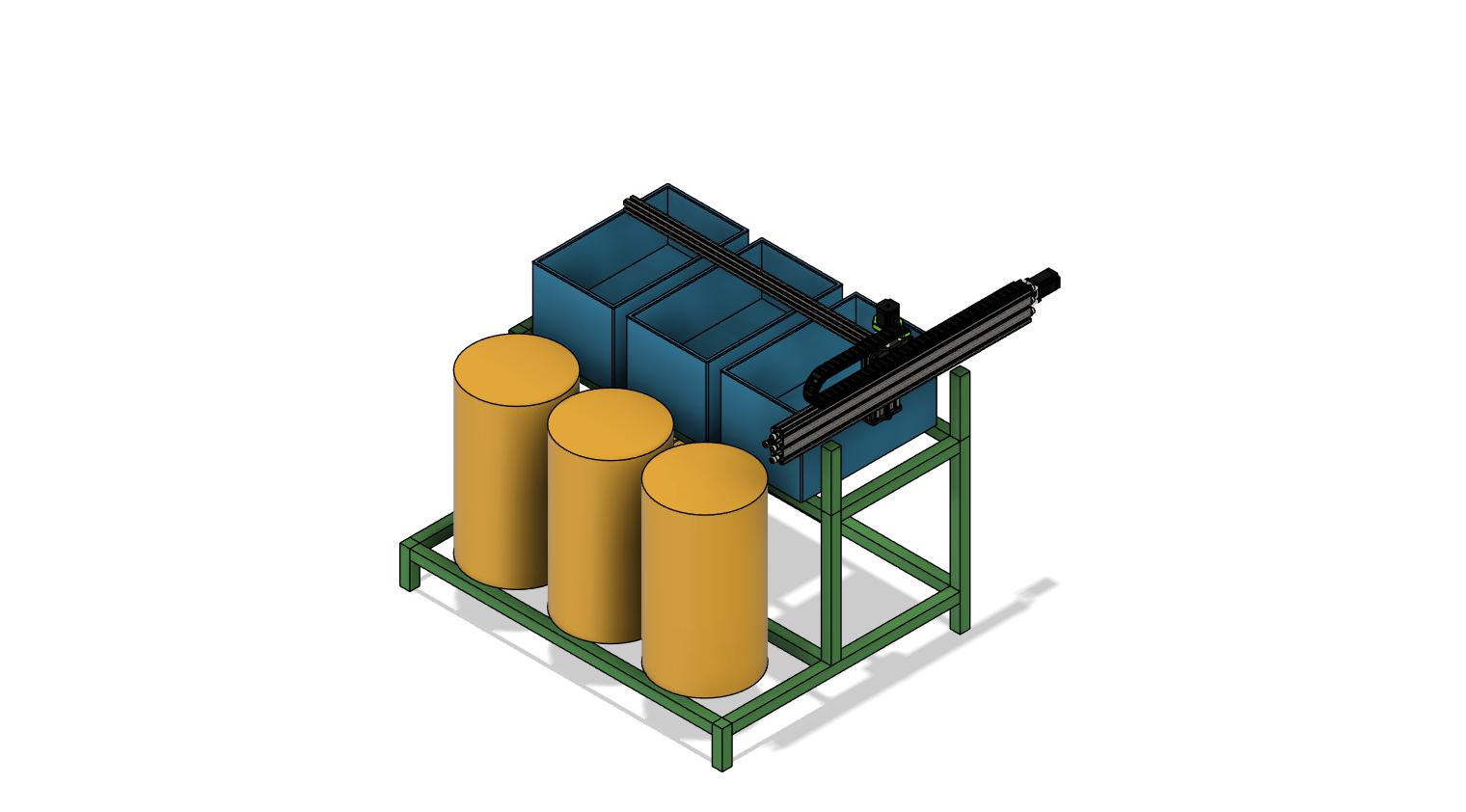
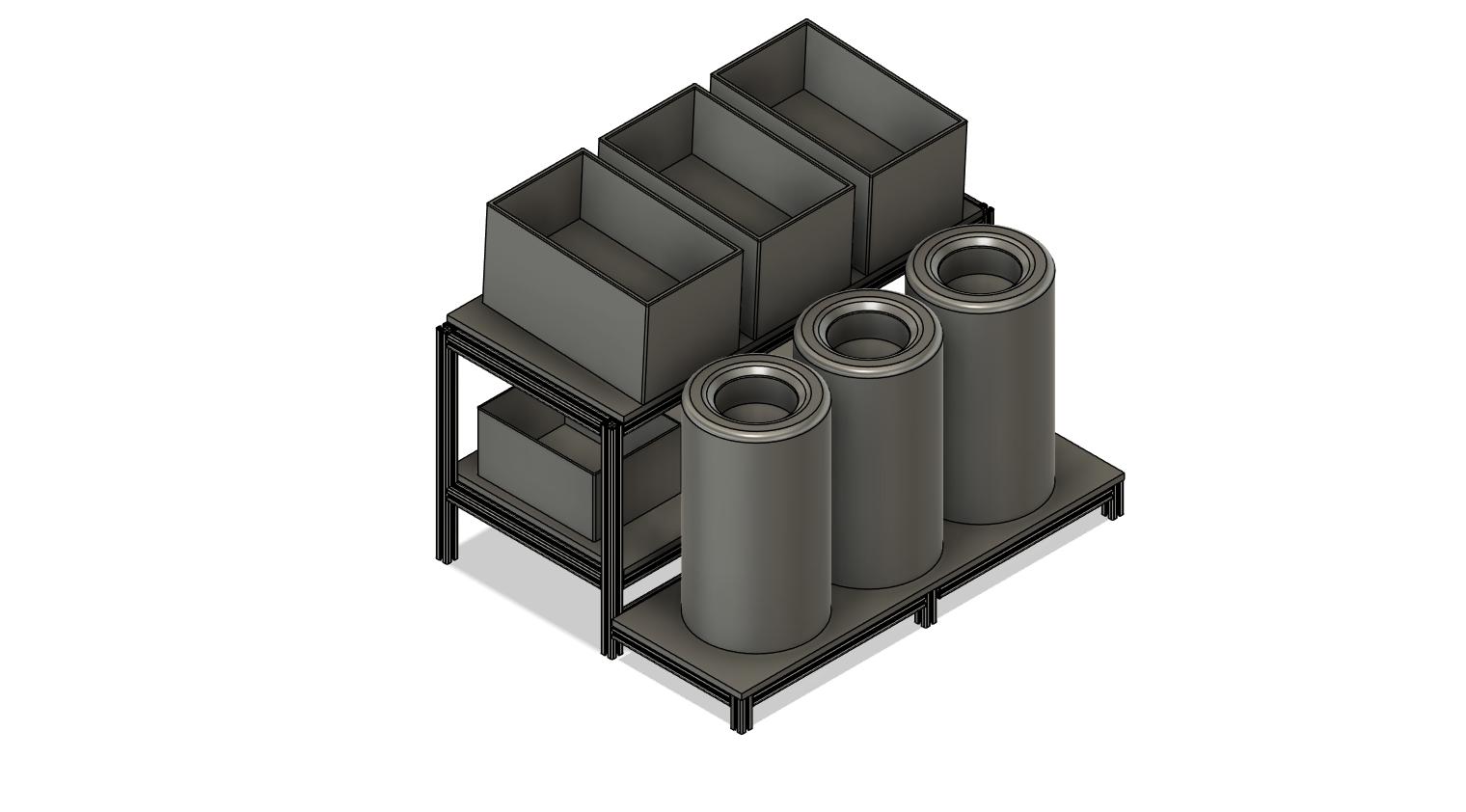
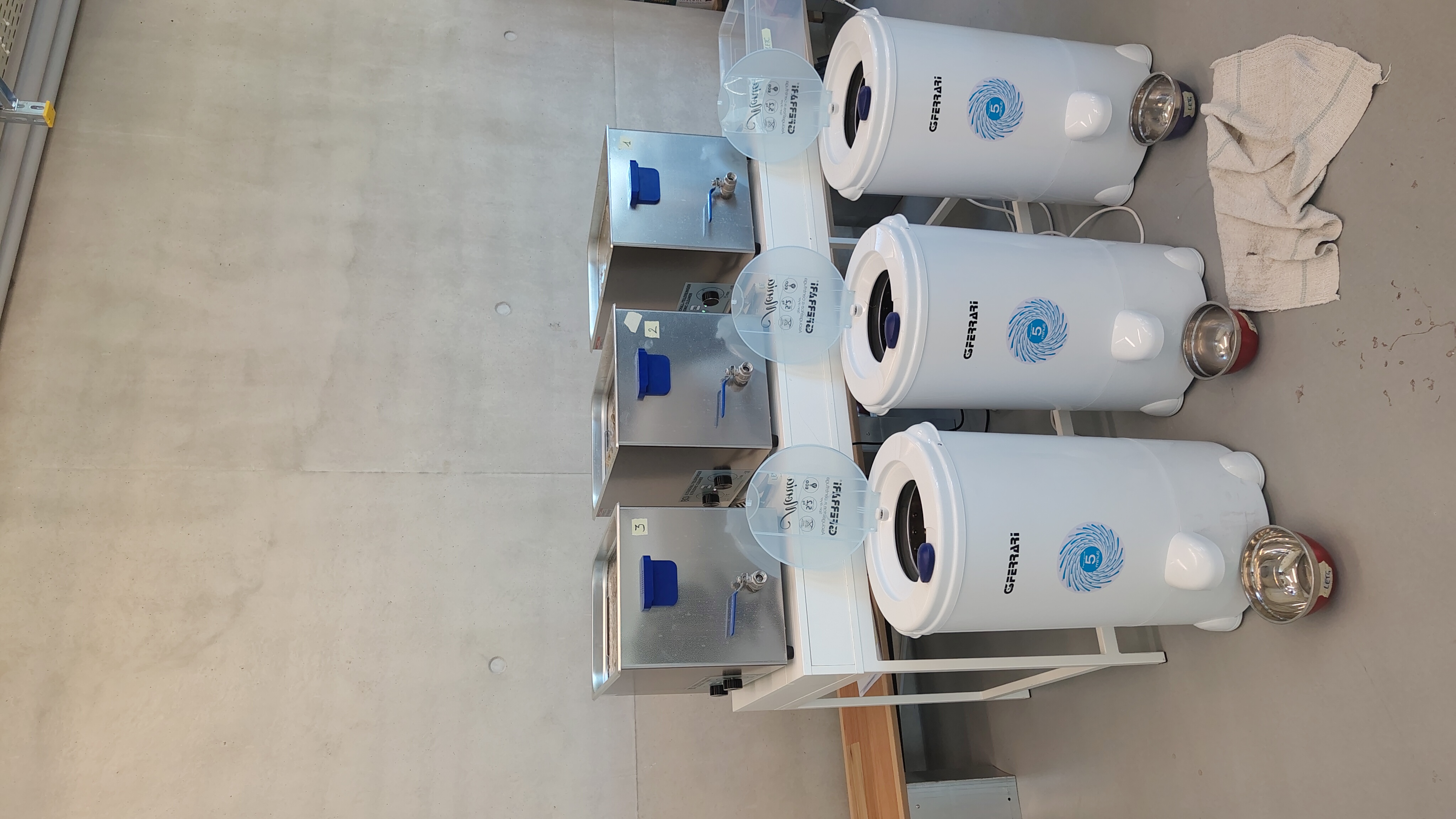
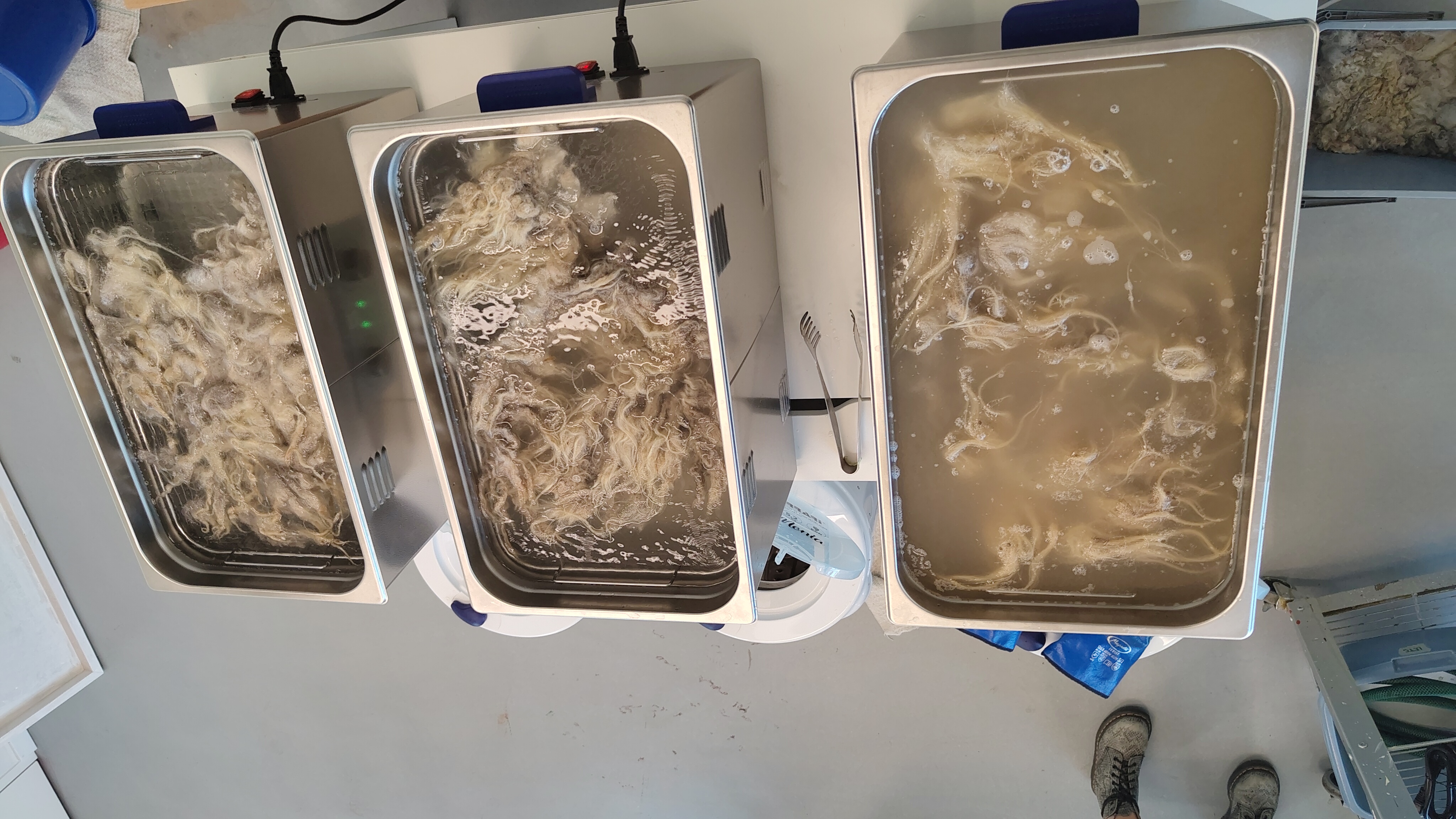
1) Ultrasonic pots and the electric dryers: This is the main system to wash. It can be used with any other elements, to manually wash wool.
2) The Water Management System that will allow a better circulation of water flow and manage waste water
3) The Digital Control that allow an automatic movement of the wool during the washing.
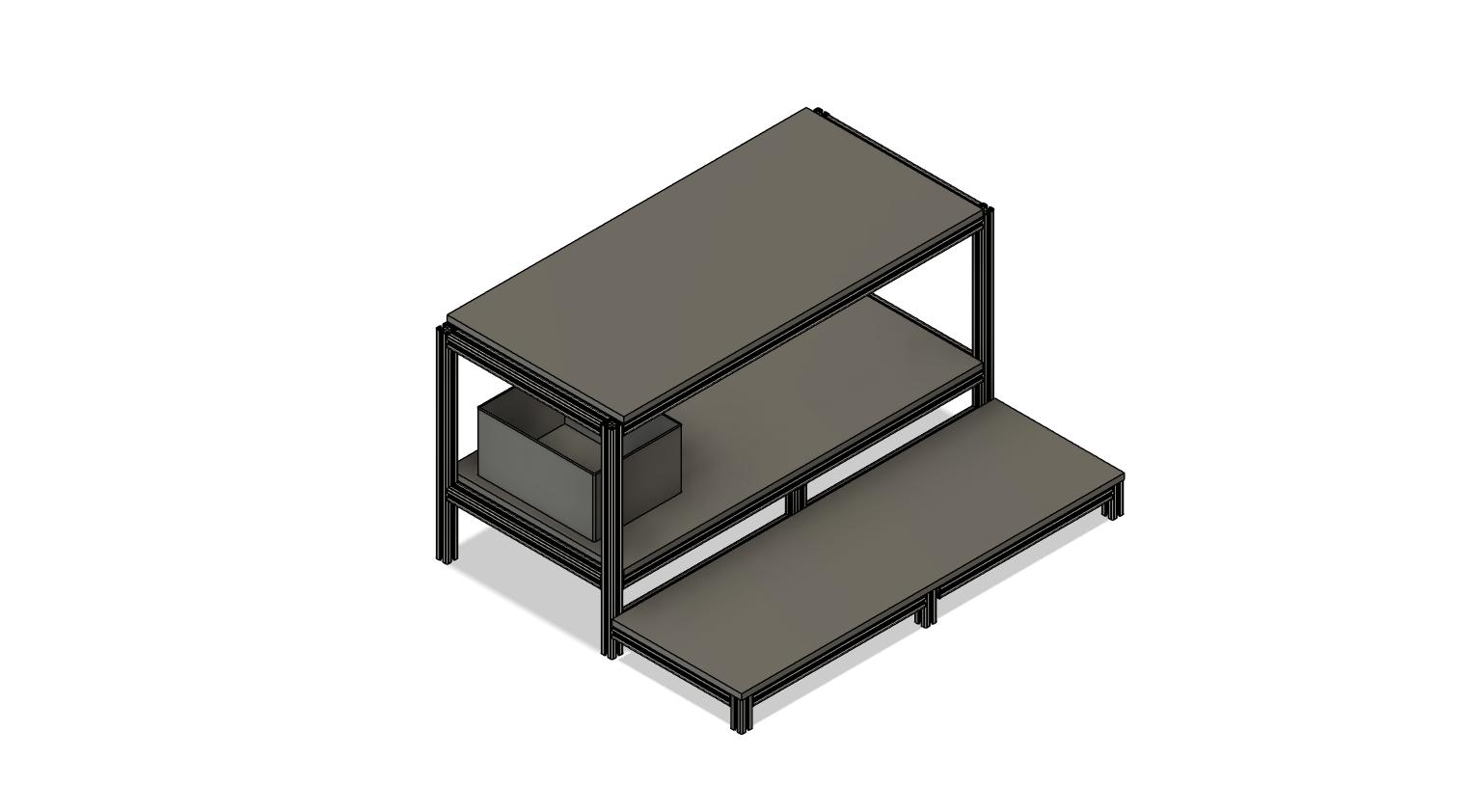
4) The overall metallic structure that serves as a bone to connect all the parts of the system.
To build the machine, you need to build each of the unit separately and then assembly and test them.
How to use the machine?
- Prewash your wool
- Plug the devices
- Fill in the ultrasonic pots with water
- Start with bringing wool (500g-1kg) in the first pot
- Once finished put the wool in the dryer
- Do the same in each of the 2 other pots and dryers
- When one pot is empty you can refill it with wool and continue the process as long as you have wool to wash.
- Once wool has passed in the three pots and dryers you can let it dry.
- You will see the evolution of wool washing, the wool getting more clean through the process.
- After a while, wool will be ready to be carded and go through the next steps of transformation.
Gallery
Conclusion
It can be used for small-scale washing processing.
The Association Laine en Tout Genre will use the machine as a mutualisation tool to propose a service of washing in the Canton of Geneva. In parallel they are refurbishing old echarpilleuse & equip themselves with carding and spinning wheels, building steps for a future Pole Laine in the region.